
Home
They made the world a better place for us, lets make it better for others.

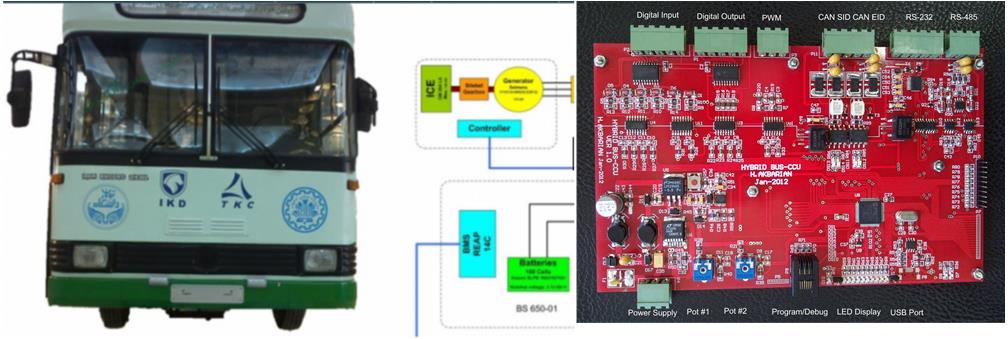



Electric vehicles (EVs) are propelled by an electric motor (or motors) powered by rechargeable battery packs. Electric motors have several advantages over internal combustion engines (ICEs):
- Energy efficient. Electric motors convert 75% of the chemical energy from the batteries to power the wheels—internal combustion engines (ICEs) only convert 20% of the energy stored in gasoline.
- Environmentally friendly. EVs emit no tailpipe pollutants, although the power plant producing the electricity may emit them. Electricity from nuclear-, hydro-, solar-, or wind-powered plants causes no air pollutants.
- Performance benefits. Electric motors provide quiet, smooth operation and stronger acceleration and require less maintenance than ICEs.
- Reduce energy dependence. Electricity is a domestic energy source.
EVs face significant battery-related challenges:
- Driving range. Most EVs can only go about 100–200 miles before recharging—gasoline vehicles can go over 300 miles before refueling.
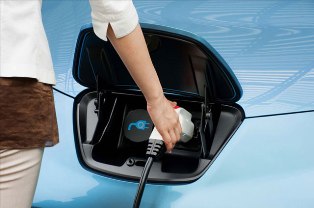
- Recharge time. Fully recharging the battery pack can take 4 to 8 hours. Even a "quick charge" to 80% capacity can take 30 min.
- Battery cost: The large battery packs are expensive and may need to be replaced one or more times.
- Bulk & weight: Battery packs are heavy and take up considerable vehicle space.
However, researchers are working on improved battery technologies to increase driving range and decrease recharging time, weight, and cost. These factors will ultimately determine the future of EVs.
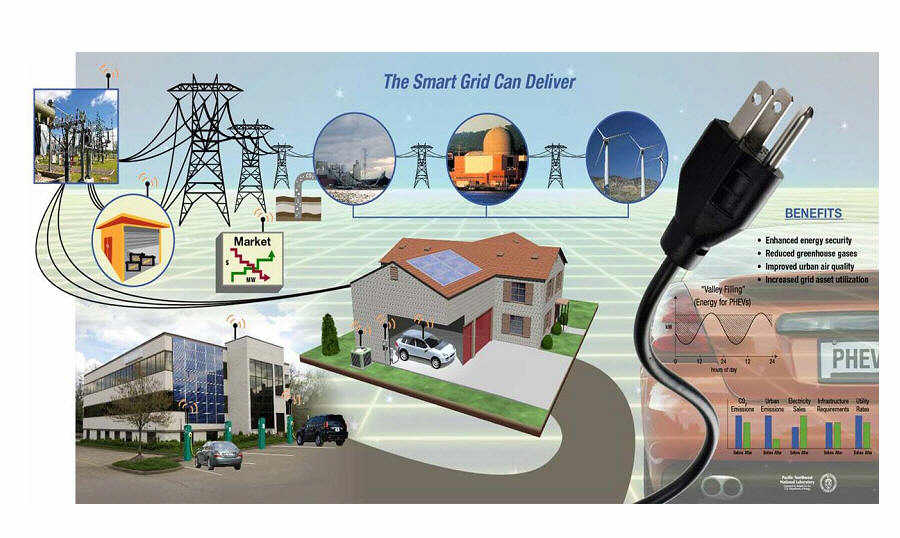
What is Smart Grid
A smart grid delivers electricity from suppliers to consumers
using digital technology to save energy, reduce cost and
increase reliability. Such a modernized electricity network is
being promoted by many governments as a way of addressing energy
independence or global warming issues. Many smart grid features
readily apparent to consumers such as smart meters serve the
energy efficiency goal. The approach is to make it possible for
energy suppliers to charge variable electric rates so that
charges would reflect the large differences in cost of
generating electricity during peak or off peak periods. Such
capabilities allow load control switches to control large energy
consuming devices such as hot water heaters so that they consume
electricity when it is cheaper to produce. To reduce demand
during the high cost peak usage periods, communications and
metering technologies inform smart devices in the home and
business when energy demand is high and track how much
electricity is used and when it is used. Prices of electricity
are increased during high demand periods, and decreased during
low demand periods. It is thought that consumers and businesses
will tend to consume less during high demand periods if it is
possible for consumers and consumer devices to be aware of the
high price premium for using electricity at peak periods. When
businesses and consumers see a direct economic benefit to become
more energy efficient, the theory is that they will including
energy cost of operation into their consumer device and building
construction decisions.(1)